We all want to stay fit, remain healthy, and look younger as we get older. While we cannot stop the aging process, we can take steps to maintain our strength, energy, physical appearance, and quality of life for as long as possible.
In my experience, bodybuilding is one of the most effective ways to fight the physical effects of aging.
I recently competed in a natural bodybuilding contest at 64 years old. I won both my age class and my weight class, then faced off against younger competitors in the overall competition. Those young men were 40 years younger than me, and I held my own.
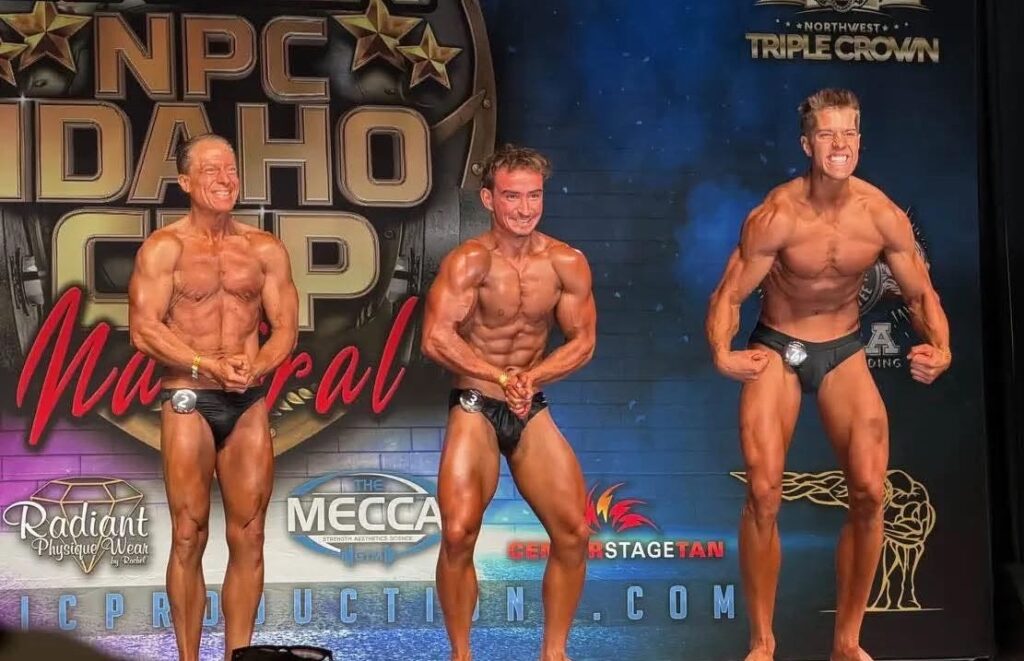
Paul Becker of Truly Huge Supplements, still competing at 64 years old against guys in their 20s.
That experience reinforced what I have believed for decades: consistent weight training, proper nutrition, adequate recovery, and sensible supplementation can make a tremendous difference in how we look, feel, and perform as we age.
I have been training and eating healthy since I was 16. Today, at 64, people frequently tell me that I look at least 10 to 15 years younger than my actual age. I feel great, have plenty of energy, and have maintained an active lifestyle.
Of course, everyone’s genetics and health circumstances are different. Bodybuilding cannot stop aging or guarantee freedom from health problems. However, it can help preserve many of the physical qualities that make us look and feel youthful.
In this article, I will explain the connection between bodybuilding and anti-aging, the benefits of weight training, the importance of nutrition, and the supplements I use to support my training.
Is Bodybuilding the Closest Thing to the Fountain of Youth?
If there were a fountain of youth, it would probably offer several things: stronger muscles, healthier bones, better physical function, improved body composition, and enough energy to enjoy life.
Interestingly, these are some of the same qualities that a well-designed bodybuilding program can help maintain.
As we get older, we naturally face challenges such as declining muscle mass, reduced strength, changes in body composition, and decreases in bone density. A sedentary lifestyle can make these changes more pronounced.
Regular resistance training provides a practical way to fight back.
Building and maintaining muscle can help you preserve your independence, improve your ability to perform everyday activities, and maintain a more athletic appearance. Combining exercise with a balanced diet and sufficient sleep can also support overall health.
Bodybuilding is not a literal fountain of youth, but it can be a powerful strategy for maintaining a youthful physique and active lifestyle.
And you do not have to start at 16, as I did, to benefit.
I have seen middle-aged men and women begin weight training, improve their diets, and become noticeably stronger and leaner within a few months. Their posture, confidence, and physical appearance can change along with their body composition.
The important thing is to start where you are and remain consistent.
7 Anti-Aging Benefits of Weight Training
1. Build and Maintain Muscle Mass
Muscle loss is one of the most important physical changes associated with aging. The gradual loss of muscle mass and strength can make everyday activities more difficult and increase the risk of falls and disability.
Resistance training directly addresses this problem by challenging your muscles to adapt.
When you lift weights with appropriate resistance and gradually increase the challenge, your body responds by building strength and, with suitable training and nutrition, increasing muscle size.
Maintaining muscle can help you:
- Preserve strength and physical independence.
- Maintain a firmer, more muscular appearance.
- Improve your ability to climb stairs, carry groceries, and perform everyday tasks.
- Support better balance and functional movement.
- Maintain a more athletic body composition as you age.
You do not need to become a competitive bodybuilder to experience these benefits. A few well-planned workouts each week can make a meaningful difference.
2. Support Bone Health
Healthy bones are essential for remaining active as you get older.
Bone density can decline with age, increasing the risk of osteoporosis and fractures. Resistance training places mechanical demands on the skeleton, which can help maintain bone health and, in some circumstances, improve bone mineral density.
Exercises such as squats, presses, rows, and appropriately selected resistance-machine movements can form part of a bone-supportive exercise program.
Weight-bearing activity and balance training can also be valuable, particularly for older adults.
If you have osteoporosis, a history of fractures, or significant joint problems, consult a qualified healthcare professional about appropriate exercise selection and technique.
3. Improve Body Composition and Metabolic Health
Have you noticed how some people gradually gain body fat around their waist as they get older?
Changes in activity levels, diet, muscle mass, hormones, and other factors can contribute to this pattern.
Building muscle and maintaining an active lifestyle can help improve body composition. Resistance training also supports insulin sensitivity and other aspects of metabolic health.
Muscle is metabolically active tissue, although gaining muscle alone does not produce a dramatic increase in daily calorie expenditure. The greater advantage comes from combining resistance training with a nutritious diet, regular movement, and sustainable body-fat management.
A leaner, stronger physique can help you look more athletic and feel more comfortable in your clothes.
The goal should not necessarily be to maintain the exact body fat percentage you had at 20. Instead, focus on preserving muscle, managing excess body fat, and staying healthy at your current age.
4. Support Healthy Skin and a More Youthful Appearance
Can lifting weights make your face look younger?
Not necessarily. Resistance training is not a proven way to reverse wrinkles, eliminate sagging skin, or stop the skin changes that occur with aging.
However, bodybuilding can influence your overall appearance in several ways.
Improved muscle development, better posture, and a healthier body composition can contribute to a more athletic appearance. Regular exercise can also support general health and well-being.
Nutrition matters, too. Eating sufficient protein, consuming a variety of fruits and vegetables, staying hydrated, and avoiding smoking all contribute to a healthier lifestyle.
Sun protection is particularly important for preventing premature skin aging. Limiting excessive ultraviolet exposure and using appropriate sunscreen can help reduce wrinkles, uneven pigmentation, and other signs of sun damage.
The takeaway is simple: bodybuilding can help you look fitter and more energetic, but healthy skin requires attention to more than your workouts.
5. Support Brain Health and Cognitive Function
Staying physically active is important for more than your muscles.
Research suggests that regular exercise, including resistance training, may support certain aspects of cognitive function in older adults. Exercise can also benefit mood, sleep, and overall quality of life.
While no workout can guarantee protection against dementia or age-related cognitive decline, strength training is a worthwhile component of a brain-healthy lifestyle.
Creatine is another supplement worth discussing. It plays a role in cellular energy production, including in the brain, and research is investigating its potential cognitive benefits. However, the evidence is still developing, and creatine should not be presented as a proven treatment for memory loss or a guarantee of better brain function.
For long-term health, combine exercise with sufficient sleep, social engagement, mentally stimulating activities, and appropriate medical care.
6. Maintain Strength, Mobility, and Independence
One of the most valuable benefits of bodybuilding is the ability to remain physically capable as you get older.
Being strong at 64 means more to me than looking muscular in the mirror. It means being able to train hard, stay active, and continue doing the things I enjoy.
Resistance training can improve strength and functional capacity, making everyday tasks easier. When combined with mobility work, balance exercises, and appropriate cardiovascular activity, it can help support a more independent lifestyle.
You do not need to chase personal records or lift maximal weights to achieve these benefits.
Good technique, gradual progression, and consistent training are far more important than showing off how much weight you can lift.
7. Improve Energy, Confidence, and Quality of Life
There is something motivating about seeing your body become stronger.
You might begin by struggling with a particular exercise. After several weeks, you can lift more weight or complete additional repetitions. Over time, your muscles develop, your fitness improves, and your clothes may fit differently.
These improvements can increase confidence and encourage you to maintain other healthy habits.
Regular exercise can also help improve sleep quality and reduce symptoms of anxiety for some people. Better sleep and improved mood can make it easier to stay motivated and engaged with life.
In my opinion, one of the greatest advantages of bodybuilding is that it gives you something positive to work toward at every age.
You are never too old to improve your strength, refine your diet, or work toward a healthier physique.
How Much Weight Training Do You Need to Fight Aging?
One of the biggest misconceptions about bodybuilding is that you must spend hours in the gym every day.
That is not how I train.
My workouts last no more than 45 minutes, and I generally train three times per week.
I have spent decades learning about bodybuilding training methods, and I believe that productive workouts should be challenging, focused, and appropriate for your ability to recover.
You can make substantial progress without living in the gym.
For most adults, a good starting point is resistance training at least twice per week, working all major muscle groups. Three weekly sessions can also work well, depending on your schedule, training experience, and recovery needs.
Here is an example of a simple full-body routine for someone beginning a strength-training program.
Sample anti-aging weight training workout
- Leg press or chair squat: 2–3 sets of 8–12 repetitions.
- Chest press: 2–3 sets of 8–12 repetitions.
- Seated row: 2–3 sets of 8–12 repetitions.
- Lat pulldown: 2 sets of 8–12 repetitions.
- Hip hinge or an appropriate hamstring exercise: 2 sets of 8–12 repetitions.
- Abdominal exercise: 2 sets of controlled repetitions.
Choose resistance that allows you to maintain good technique. Finish most sets with a little energy left rather than forcing every set to complete muscular failure, especially when you are new to training.
Increase the resistance gradually as the exercises become easier.
You can perform this workout two or three times per week, with rest or lighter activity between sessions. Walking, cycling, swimming, and balance exercises can complement your strength training.
If you are older, have been inactive for years, or have an existing health condition, start conservatively and seek professional guidance when appropriate.
Consistency over months and years matters much more than exhausting yourself during one workout.
Why a Bodybuilding Diet Can Help You Stay Youthful
Training is only one part of the equation. What you eat helps determine how well you recover, maintain muscle, and manage body fat.
My approach has always emphasized a nutritious diet based on protein-rich foods, complex carbohydrates, healthy fats, and plenty of minimally processed foods.
I believe this is a practical foundation for anyone who wants to build muscle and maintain a healthy physique as they age.
Eat Enough Protein
Protein provides the amino acids your body needs to repair and build muscle tissue.
Good sources include eggs, fish, poultry, lean meat, dairy products, soy foods, beans, and lentils. Protein powder can also be convenient when you have difficulty meeting your needs through meals.
Older adults may benefit from paying particular attention to protein intake because aging muscles can respond less efficiently to small protein doses.
Your ideal intake depends on body weight, training, health, and total calorie intake. People with kidney disease or other relevant medical conditions should discuss their protein requirements with a healthcare professional.
Choose Nutrient-Dense Carbohydrates
Carbohydrates provide energy for training and daily activities.
Oatmeal, potatoes, brown rice, whole grains, fruit, beans, and vegetables can provide carbohydrates alongside important vitamins, minerals, and fiber.
You do not have to eliminate carbohydrates to stay lean. Instead, choose appropriate portions that support your activity level and goals.
Include Healthy Fats
Dietary fat supports normal physiological functions, including the absorption of fat-soluble vitamins and the production of important signaling molecules.
Include foods such as olive oil, nuts, seeds, avocados, and fatty fish.
Eat Plenty of Fruits and Vegetables
Fruits and vegetables provide fiber, vitamins, minerals, and a wide range of beneficial plant compounds.
Rather than relying on supplements to make up for a poor diet, build your meals around varied, nutritious foods.
Manage Calories and Stay Hydrated
Eating too many calories over time can increase body fat, while consistently eating too little can make it harder to maintain muscle.
If your goal is to lose fat, use a moderate calorie deficit and continue resistance training while consuming sufficient protein.
Hydration is also important, particularly during exercise and hot weather. Older adults may have a reduced sensation of thirst, making it helpful to drink fluids regularly throughout the day.
There is no single perfect anti-aging diet, but a balanced eating pattern that supports muscle, cardiovascular health, and an appropriate body weight is a strong foundation.
Bodybuilding Supplements for Anti-Aging and Muscle Maintenance
I use supplements to complement my bodybuilding training and diet. They are not substitutes for nutritious food, effective workouts, adequate sleep, or medical care.
Several products can be useful for supporting specific training and nutrition goals.
Here are four supplement categories I consider relevant to a bodybuilding program as you get older.
1. Amino Acids
Amino acids are the building blocks of protein. Essential amino acids must be obtained through food or supplements, and they are necessary for muscle protein synthesis.
For older adults, getting enough high-quality protein and essential amino acids is particularly important for maintaining muscle mass and supporting recovery from resistance training.
My choice: Nitrobol Amino Acid Complex
I use my Nitrobol Amino Acid Complex as part of my bodybuilding supplement routine. It is intended to complement my diet and training, rather than replace complete protein sources or a balanced eating plan.
2. Creatine
Creatine is one of the most researched sports nutrition supplements for improving high-intensity exercise performance.
Creatine helps replenish the energy system used during short, intense efforts such as heavy weightlifting. Supplementation can improve strength and training capacity, and it can help increase lean body mass when combined with resistance training.
These benefits make creatine particularly relevant to adults who want to preserve strength and muscle as they age.
Researchers are also investigating creatine’s potential effects on cognition, but the results are not conclusive enough to promise that supplementation will prevent cognitive decline.
My choice: Pumped Extreme Kre-Alkalyn Creatine
I use my Pumped Extreme Kre-Alkalyn Creatine to support my workouts.
3. Testosterone Booster Supplements
Testosterone plays an important role in male reproductive function, muscle development, bone health, and other physiological processes.
Testosterone levels can change with age, although the degree and timing of those changes vary considerably between individuals.
This has led to interest in testosterone booster supplements among men who want to maintain muscle, strength, energy, and sexual health.
A supplement should not be assumed to correct clinically low testosterone. Men experiencing persistent fatigue, reduced libido, erectile difficulties, or unexplained loss of muscle should speak with a healthcare professional about appropriate evaluation.
My choice: Andro Shock Testosterone Booster
I use my Andro Shock Testosterone Booster as part of my supplement routine.
4. HGH Releaser Supplements
Human growth hormone, or HGH, is involved in growth, metabolism, and tissue maintenance. Hormone levels and secretion patterns change throughout life, and sleep is one factor involved in normal growth hormone secretion.
I believe HGH releaser supplements help me build and maintain lean muscle mass, burn fat, boost energy, and improve my sleep quality
My choice: HGH Factors
I use my HGH Factors supplement as part of my personal bodybuilding supplement routine.
Choose Supplements Carefully
Regardless of the products you choose, remember that supplements are optional additions to a sound training and nutrition program.
Look for transparent ingredient labels, avoid exaggerated anti-aging promises, and consider products tested by reputable independent organizations when available. Check with your healthcare professional or pharmacist if you take medication or have an underlying health condition.
You do not need a large collection of supplements to make progress. Start by meeting your nutritional needs, following a consistent workout plan, and getting enough sleep.
Does Bodybuilding Reverse Aging?
No. Bodybuilding does not reverse your chronological age, eliminate wrinkles, or guarantee that you will remain free from disease.
What it can do is help preserve and improve several important aspects of physical function.
With consistent resistance training, you can build muscle, improve strength, support bone health, and maintain a more athletic body composition. These changes may help you look fitter and feel more capable as you age.
Some benefits can appear within weeks, while meaningful changes in muscle size, strength, and body composition typically require consistent effort over months and longer.
Your genetics, previous training experience, sleep, nutrition, stress, and medical history all influence your results.
My own experience is an example of what long-term consistency can accomplish, but it is not a guarantee that everyone will have the same results.
Frequently Asked Questions About Bodybuilding and Aging
Does bodybuilding make your face look younger?
Bodybuilding does not directly reverse facial aging or remove wrinkles. However, improved fitness, posture, and body composition can contribute to a healthier overall appearance. Skin protection, nutrition, sleep, and avoiding smoking are also important for maintaining healthy-looking skin.
Can you start bodybuilding at 50, 60, or 70?
Yes. Many adults can safely begin resistance training in their 50s, 60s, 70s, and beyond. Start with manageable resistance, learn proper technique, and progress gradually. If you have health concerns or have been inactive for a long time, seek appropriate professional guidance.
How long does it take for weight training to make you look younger?
Some people notice better posture, improved energy, and early strength gains within a few weeks. Visible changes in muscle size and body composition usually take longer. The timeline varies according to your starting point, training consistency, diet, sleep, and genetics.
Is weight training better than cardio for anti-aging?
They provide different benefits, so the best approach generally includes both. Resistance training helps maintain muscle and strength, while aerobic exercise supports cardiovascular fitness and endurance. Combining the two with balance work and regular daily movement provides a more complete approach to healthy aging.
How many days per week should older adults lift weights?
Many adults benefit from resistance training at least two days per week. Three sessions can work well, too, provided the program allows adequate recovery. The right schedule depends on your experience, health, training intensity, and other physical activities.
Can bodybuilding help men maintain testosterone as they age?
Resistance training supports muscle, strength, and metabolic health, but it does not guarantee that testosterone levels will remain unchanged as you get older. Healthy sleep, nutrition, body composition, and management of medical conditions all matter. Suspected low testosterone should be evaluated by a healthcare professional rather than treated solely with supplements.
Final Thoughts: Make Bodybuilding Part of Your Anti-Aging Strategy
I started lifting weights at 16, and at 64, I am still training, eating well, and competing in natural bodybuilding.
Winning my age and weight classes at a recent competition was a reminder that getting older does not mean giving up on building muscle, improving your physique, or pursuing challenging goals.
My workouts take no more than 45 minutes, three times per week. I concentrate on productive training, nutritious food, recovery, and supplements that fit my individual goals.
I believe this approach has helped me maintain an athletic physique, a high level of activity, and a quality of life that I value.
You do not need to become a competitive bodybuilder to benefit. You simply need to begin with an appropriate program and stay consistent.
Start lifting weights, eat a balanced diet with enough protein, get sufficient sleep, and make physical activity part of your everyday life. Add supplements only when they address a genuine need and have an appropriate evidence base.
You cannot stop the clock, but you can take meaningful steps to remain stronger, fitter, and more physically capable as the years pass.
If you are ready to support your bodybuilding goals, explore the training and nutrition resources at Truly Huge Bodybuilding Supplements. You can also visit our supplement store to learn more about products designed to complement your fitness routine.
About the Author: Paul Becker is a competitive natural bodybuilder, author, personal trainer, and owner of Truly Huge Bodybuilding Supplements. He has been training since age 16 and has decades of experience studying and practicing bodybuilding training, nutrition, and supplementation.
Visit the Truly Huge Bodybuilding Supplement Shop to explore our products and learn more about bodybuilding, training, and nutrition.
Email support@trulyhugebodybuilding.com or call us at (800) 635-8970 with any questions you have about training, diet or supplements to help you reach your muscle building goals.