GLP-1 medications have become increasingly popular for weight loss and weight management. Drugs such as Ozempic, Wegovy, and Mounjaro can help people lose a significant amount of body weight by reducing appetite, increasing feelings of fullness, and influencing blood sugar regulation.
However, there is an important concern that many people overlook when starting these medications: muscle loss.
Losing body fat may be your primary goal, but losing valuable lean muscle tissue along with it can negatively affect your strength, metabolism, physical performance, and overall body composition.
For anyone interested in bodybuilding, fitness, or simply maintaining a strong, healthy body, preserving muscle should be an important part of any weight-loss program.
Although I am not recommending GLP-1 medications for weight loss or bodybuilding purposes, I recognize that many people are using them. I want to provide some practical advice on how to help minimize muscle loss through proper nutrition, resistance training, and carefully selected supplements.
In this guide, we’ll cover what GLP-1 medications are, why muscle loss can occur, and what you can do to protect your hard-earned muscle while losing body fat.
What Is GLP-1?
GLP-1 stands for glucagon-like peptide-1. It is a naturally occurring hormone produced primarily in the intestines in response to eating.
GLP-1 plays several important roles in regulating appetite, digestion, and blood sugar.
Its primary functions include:
- Helping regulate blood glucose by stimulating insulin release when blood sugar is elevated.
- Reducing glucagon secretion when appropriate.
- Slowing the rate at which food leaves the stomach.
- Increasing feelings of fullness and satisfaction after eating.
- Sending signals to the brain that help regulate appetite.
Together, these effects help regulate food intake and blood sugar levels.
Because GLP-1 influences appetite and digestion, scientists developed medications that mimic or enhance its activity. These medications have become important treatment options for people with type 2 diabetes and, in certain formulations, chronic weight management.
What Are GLP-1 Medications?
GLP-1 medications are prescription drugs designed to mimic the effects of the naturally occurring GLP-1 hormone.
Some of the most widely recognized medications include:
- Ozempic: Semaglutide, approved for certain adults with type 2 diabetes.
- Wegovy: Semaglutide, approved for chronic weight management in eligible patients and certain other indications.
- Mounjaro: Tirzepatide, a medication that activates both GIP and GLP-1 receptors and is approved for type 2 diabetes.
- Zepbound: Tirzepatide, approved for chronic weight management in eligible patients and certain other indications.
Although these medications work through related hormonal pathways, they are not all technically the same type of drug. Tirzepatide, for example, acts on both GIP and GLP-1 receptors.
By reducing appetite and increasing fullness, these medications can make it easier for some individuals to consume fewer calories and lose weight.
However, eating substantially fewer calories can create nutritional challenges, especially when it comes to consuming enough protein and other nutrients needed to maintain muscle tissue.
GLP-1 Side Effects
Like all prescription medications, GLP-1-based drugs can cause side effects.
Commonly reported gastrointestinal side effects include:
- Nausea
- Vomiting
- Diarrhea
- Constipation
- Abdominal discomfort
- Bloating
- Reduced appetite
Many gastrointestinal symptoms are more noticeable when starting treatment or increasing the dosage, although experiences vary.
There are also potentially serious risks. Depending on the medication and individual circumstances, these can include gallbladder problems, pancreatitis, dehydration-related kidney complications, and other warnings described in the prescribing information.
These medications are not appropriate for everyone. Certain products also carry important contraindications and precautions, including warnings concerning medullary thyroid carcinoma and multiple endocrine neoplasia syndrome type 2.
Anyone considering these medications should discuss their medical history, potential benefits, risks, and alternatives with a qualified healthcare professional.
For people interested in bodybuilding and fitness, however, another concern deserves special attention.
GLP-1 and Muscle Mass Loss: Why It Happens
One of the biggest concerns associated with substantial weight loss is the loss of lean body mass.
When you lose weight, the reduction does not come exclusively from body fat. Some lean tissue can also be lost.
Research examining body composition during weight-loss treatment with semaglutide and other incretin-based medications has found reductions in both fat mass and lean mass.
It is important to understand that lean body mass is not exactly the same thing as skeletal muscle. Lean mass includes other components of the body, including water, organs, and connective tissue.
Nevertheless, losing too much muscle during a weight-loss program is something you want to avoid.
Muscle tissue is important for:
- Maintaining strength and physical performance.
- Supporting everyday movement and mobility.
- Maintaining a healthy body composition.
- Supporting glucose metabolism.
- Preserving physical independence as you get older.
- Maintaining the muscular appearance many fitness enthusiasts work hard to achieve.
The problem is that when calorie intake drops significantly, the body has less energy available. If protein intake is inadequate and resistance training is neglected, the body may break down more muscle tissue during the weight-loss process.
The good news is that there are practical steps you can take to help minimize this problem.
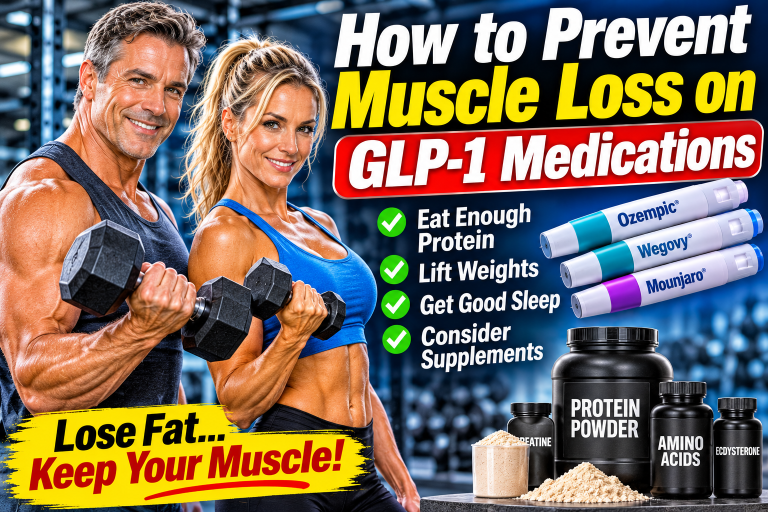
How to Prevent Muscle Loss on GLP-1 Medications
If you are taking a GLP-1 medication and want to lose fat without sacrificing as much muscle as possible, I recommend focusing on three primary areas:
- Eat enough high-quality protein.
- Perform consistent resistance training.
- Consider supplements that support muscle maintenance and training performance.
These strategies work together. No single supplement or dietary change can replace a properly designed resistance-training and nutrition program.
1. Eat a High-Protein, Nutrient-Dense Diet
Protein is one of the most important nutrients for maintaining muscle mass.
Your body uses amino acids from dietary protein to repair damaged muscle tissue and build new muscle proteins. This process is particularly important when you are in a calorie deficit.
If you are eating less because of reduced appetite, getting enough protein can become more difficult.
That is why I recommend making protein a priority at every meal.
Good protein sources include:
- Chicken and turkey breast.
- Lean beef.
- Fish and seafood.
- Eggs and egg whites.
- Greek yogurt.
- Cottage cheese.
- Milk and dairy products.
- Beans, lentils, and soy-based foods.
- High-quality protein powder.
How Much Protein Do You Need?
Your protein requirements depend on your body weight, age, activity level, training experience, health status, and calorie intake.
A reasonable starting point for many adults trying to preserve muscle during weight loss is approximately 1.2–1.6 grams of protein per kilogram of body weight daily. Some active individuals may benefit from higher amounts, depending on their circumstances.
For example:
- 150 pounds: approximately 82–109 grams daily.
- 175 pounds: approximately 95–127 grams daily.
- 200 pounds: approximately 109–145 grams daily.
- 225 pounds: approximately 123–164 grams daily.
These are illustrative targets, not medical prescriptions. People with kidney disease or other conditions affecting protein requirements should consult their healthcare professional before increasing protein intake.
Distribute Protein Throughout the Day
Rather than consuming most of your protein in one meal, try distributing it across several meals.
For example:
- Breakfast: Eggs and Greek yogurt.
- Lunch: Chicken breast and vegetables.
- Afternoon: Protein shake.
- Dinner: Fish, lean beef, or another protein source.
Eating protein-rich foods first can also be helpful when your appetite is reduced and you have difficulty finishing meals.
The objective is to provide your body with a consistent supply of the amino acids needed to support muscle maintenance.
2. Use Weight Training to Preserve Muscle
If there is one thing I would emphasize to anyone trying to prevent muscle loss while losing weight, it is resistance training.
Your body adapts to the demands placed upon it. When you regularly challenge your muscles with resistance exercise, you provide a reason for your body to maintain muscle tissue.
When you combine resistance training with adequate protein intake, you create a much better environment for preserving muscle during a calorie deficit.
Train With Heavy Weights and High Intensity
I have always been a strong believer in high-intensity weight training for building and maintaining muscle.
You do not necessarily need to spend hours in the gym performing endless sets and repetitions.
Instead, concentrate on productive workouts that challenge the major muscle groups and allow sufficient time for recovery.
Some excellent exercises include:
- Squats and leg presses.
- Deadlifts and hip hinges.
- Bench presses and chest presses.
- Rows and pulldowns.
- Overhead presses.
- Leg curls and leg extensions.
- Biceps curls and triceps extensions.
Choose weights that provide an appropriate challenge while allowing you to maintain proper exercise technique.
Training to absolute muscular failure is not necessary for everyone, particularly when calorie intake is reduced or recovery is compromised.
How Often Should You Weight Train?
For many people, training each major muscle group approximately two times per week is a practical starting point.
A sample weekly routine could look like this:
Monday – Upper Body
- Bench Press: 2–3 sets
- Lat Pulldown: 2–3 sets
- Shoulder Press: 2 sets
- Seated Row: 2 sets
- Biceps Curl: 2 sets
- Triceps Extension: 2 sets
Tuesday – Lower Body
- Squats or Leg Press: 2–3 sets
- Leg Curls: 2 sets
- Leg Extensions: 2 sets
- Calf Raises: 2 sets
- Abdominal Exercise: 2 sets
Wednesday – Recovery
Thursday – Upper Body
- Incline Press: 2–3 sets
- Chest-Supported Row: 2–3 sets
- Lateral Raises: 2 sets
- Pulldowns: 2 sets
- Biceps Curls: 2 sets
- Triceps Extensions: 2 sets
Friday – Lower Body
- Leg Press: 2–3 sets
- Romanian Deadlifts: 2 sets
- Leg Curls: 2 sets
- Calf Raises: 2 sets
- Abdominal Exercise: 2 sets
Saturday and Sunday – Recovery or Light Activity
Adjust the number of sets, exercises, and training intensity to your experience, fitness level, and recovery ability.
If you are new to weight training, start with a manageable routine and gradually increase the workload.
Walking and other forms of cardiovascular exercise can also be beneficial for cardiovascular health and general fitness. However, cardio should complement resistance training rather than replace it when muscle preservation is a priority.
3. Get Enough Sleep and Allow Time for Recovery
Muscles do not grow or repair themselves while you are lifting weights. Much of the recovery process takes place between workouts.
If you are eating fewer calories than usual, recovery becomes especially important.
I recommend:
- Getting approximately 7–9 hours of sleep per night.
- Allowing adequate recovery between demanding workouts.
- Avoiding excessive training volume.
- Staying properly hydrated.
- Monitoring changes in strength and workout performance.
If your strength is declining rapidly, you are constantly fatigued, or you are having difficulty recovering, your training and nutritional intake may need to be adjusted.
Discuss persistent symptoms or difficulty eating enough with your healthcare professional.
GLP-1 Muscle Support Supplements
In addition to a high-protein diet and consistent weight training, certain supplements may help support muscle maintenance and workout performance.
Supplements should be considered an addition to a sound nutrition and training program, not a substitute for either one.
Here are four categories worth considering.
1. Protein Powder
Protein powder is one of the most practical supplements for people who struggle to consume enough protein through regular meals.
Because GLP-1 medications can reduce appetite, eating large meals may be difficult.
A protein shake provides a convenient way to increase protein intake without having to prepare another full meal.
Look for a protein powder that provides a substantial amount of complete protein per serving and fits your dietary requirements.
One option is Truly Huge Bio-Available Protein Powder.
I recommend protein supplementation as a convenient way to help meet your daily protein requirements, especially when reduced appetite makes getting enough protein from food difficult.
2. Amino Acid Supplements
Amino acids are the building blocks of protein.
Your muscles require amino acids to repair and build muscle proteins. Essential amino acids are particularly important because your body cannot manufacture them in sufficient quantities on its own.
Amino acid supplements can be useful for people who have difficulty consuming adequate protein or who want a convenient way to supplement their nutrition around workouts.
One product to consider is Truly Huge Nitrobol Amino Acid Complex.
3. Kre-Alkalyn Creatine
Creatine is one of the most researched sports nutrition supplements available.
Creatine helps replenish phosphocreatine stores in muscle tissue, supporting the rapid production of energy during high-intensity exercise.
This can help improve performance during activities such as weightlifting, sprinting, and repeated high-intensity exercise.
When combined with resistance training, creatine supplementation can support improvements in strength, training capacity, and lean body mass.
These benefits make creatine an interesting option for people who want to maintain their strength and training performance while losing weight.
I recommend Truly Huge Pumped Extreme Kre-Alkalyn Creatine as an option for people interested in creatine supplementation.
4. Ecdysterone
Ecdysterone is a naturally occurring plant-derived compound classified as an ecdysteroid.
It has attracted attention in the bodybuilding and sports nutrition communities because of research investigating its potential effects on muscle protein synthesis and muscle development.
Some proposed mechanisms involve signaling pathways associated with muscle protein synthesis, including the PI3K-Akt-mTOR pathway. Which is the exact pathway that is suppressed during the caloric restriction induced by GLP-1 medications.
One product option is Truly Huge Ecdy-Bolin Ecdysterone Supplement.
How to Monitor Muscle Loss While Taking GLP-1 Medications
One mistake people make during a weight-loss program is focusing exclusively on the number displayed on the bathroom scale.
Your body weight does not tell you how much fat or muscle you are losing.
If your goal is to improve body composition, you should pay attention to several different measurements.
1. Track your strength.
Keep a workout journal and record the weights and repetitions you perform. A consistent decline in strength may indicate that your training, nutrition, or recovery needs attention.
2. Monitor your body composition.
A healthcare professional may recommend a body composition assessment using methods such as dual-energy X-ray absorptiometry (DXA) or bioelectrical impedance analysis (BIA).
Remember that these methods estimate different body compartments and have limitations.
3. Monitor your physical performance.
Pay attention to your ability to perform everyday activities, maintain exercise capacity, and recover between workouts.
4. Monitor your nutritional intake.
If your appetite is so low that you regularly struggle to eat enough protein or consume adequate nutrients, speak with your healthcare provider or a registered dietitian.
The goal is not simply to lose weight as quickly as possible. It is to improve body composition while maintaining strength, function, and nutritional health.
Frequently Asked Questions About GLP-1 and Muscle Loss
Can GLP-1 medications cause muscle loss?
Yes. Weight loss associated with GLP-1-based medications can include reductions in lean body mass as well as fat mass. The amount varies between individuals and depends on factors such as the amount of weight lost, protein intake, physical activity, age, and starting body composition.
How can I prevent muscle loss while taking Ozempic or Wegovy?
Prioritize adequate protein intake, perform regular resistance training, avoid unnecessarily aggressive calorie restriction, and get sufficient sleep. Work with your healthcare provider to monitor your nutritional status and adjust your program as necessary.
Does weight training help prevent muscle loss on GLP-1 medications?
Yes. Resistance training provides an important stimulus for maintaining muscle tissue during weight loss. A structured program that progressively challenges the muscles, combined with adequate protein intake, is one of the most useful strategies available.
How much protein should I eat while taking GLP-1 medications?
A starting range of approximately 1.2–1.6 grams of protein per kilogram of body weight daily may be appropriate for many adults trying to preserve muscle during weight loss. Individual requirements vary, particularly for people with kidney disease or other medical conditions.
Should I take creatine while taking Ozempic or Wegovy?
Creatine may help support strength and high-intensity exercise performance when combined with resistance training. However, there is limited direct research on creatine specifically for preventing GLP-1-associated muscle loss. Discuss its use with your healthcare professional, particularly if you have kidney problems or take medications that affect kidney function.
Can protein powder help prevent muscle loss on GLP-1 medications?
Protein powder can help you reach your daily protein requirements when reduced appetite makes eating enough protein difficult. It is a convenient nutritional tool, but it works best as part of a complete diet and consistent resistance-training program.
Will I lose muscle if I do not lift weights while taking GLP-1 medications?
You may be at greater risk of losing muscle during substantial weight loss if you do not perform resistance exercise. Protein intake is important, but protein alone cannot replace the muscle-preserving stimulus provided by strength training.
Final Thoughts: Lose Fat, Not Your Hard-Earned Muscle
GLP-1 medications can produce significant weight loss, but the number on the scale should not be the only measure of success.
If you are taking Ozempic, Wegovy, Mounjaro, Zepbound, or another medication that affects appetite and body weight, make preserving muscle an important part of your overall health and fitness strategy.
My recommendations are straightforward:
- Eat a high-protein, nutrient-dense diet.
- Perform consistent, challenging weight-training workouts.
- Get enough sleep and allow adequate recovery.
- Consider protein powder, creatine, and other supplements when appropriate to help meet your nutritional and training goals.
- Monitor your strength, physical performance, and body composition.
- Work with your healthcare provider to make sure your weight-loss program is appropriate for your individual needs.
At Truly Huge Bodybuilding Supplements, we believe that building and maintaining muscle requires the right combination of training, nutrition, and recovery.
Whether your goal is bodybuilding, improving your physique, or simply staying strong and healthy as you lose weight, don’t overlook the importance of maintaining your muscle mass.
Lose body fat, maintain your strength, and protect the muscle you’ve worked hard to build.
Shop Truly Huge Bodybuilding Supplements
Email support@trulyhugebodybuilding.com or call (800) 635-8970 with any questions you have and we’ll be happy to help you find the best supplements to help you reach your bodybuilding and fitness goals.